
Heinze ArchitekturAWARD 2026: Teilnehmer
TOP-UP LEITZ - reframing a former vertical factory
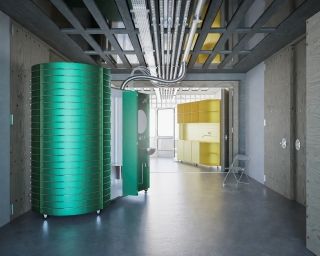
© Matthias Eberle, Philipp Müller
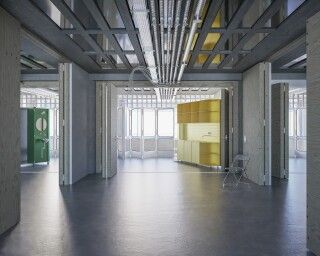
© Matthias Eberle, Philipp Müller
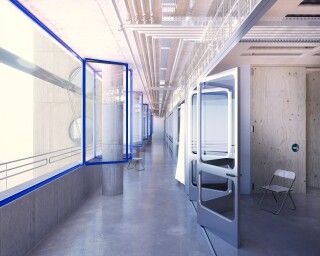
© Matthias Eberle, Philipp Müller
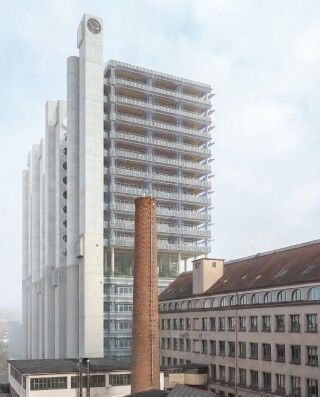
© Matthias Eberle, Philipp Müller
© Matthias Eberle, Philipp Müller
© Matthias Eberle, Philipp Müller
© Matthias Eberle, Philipp Müller
© Matthias Eberle, Philipp Müller
Diese Objektpräsentation wurde angelegt von: Universität Stuttgart, Architektur und Stadtplanung, Matthias Eberle
Basisdaten zum Objekt
Lage des Objektes
Deutschland
Objektkategorie
Objektart
Art der Baumaßnahme
Entwurfskonzept
Fertigstellungstermin
02.2026
Zeichnungen und Unterlagen
Gebäudedaten
Bauweise
Holzskelettbau
Tragwerkskonstruktion
Holz
Anzahl der Vollgeschosse
11- bis 20-geschossig
Raummaße und Flächen
Bruttogrundfläche
39.920 m²
Nutzfläche
32.400 m²
Verkehrsfläche
6.300 m²
Wohnfläche
25.600 m²
Beschreibung
Objektbeschreibung
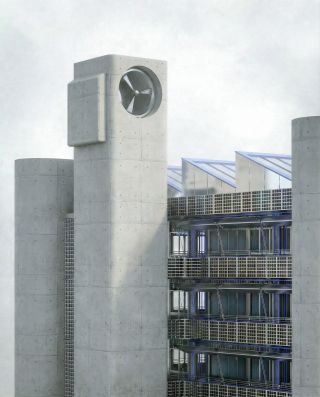
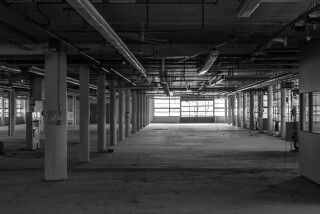
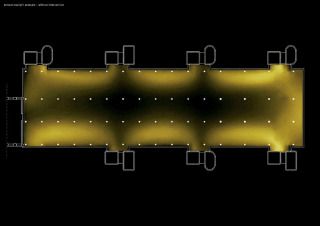
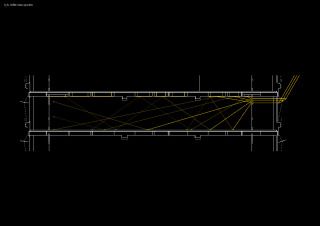
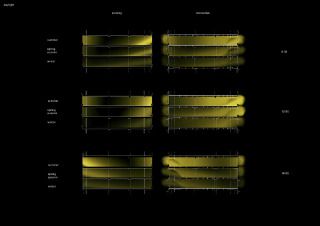
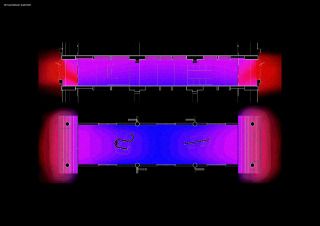
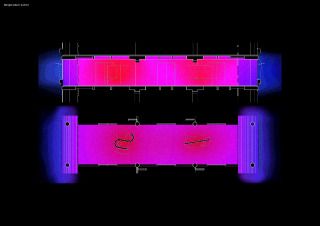
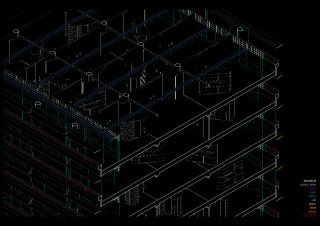
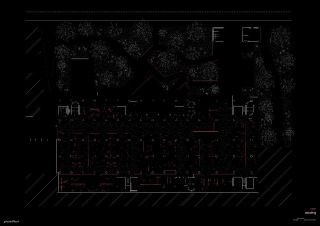
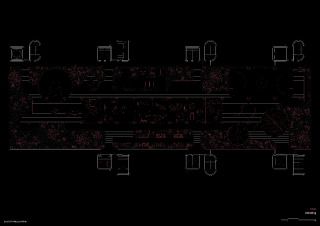
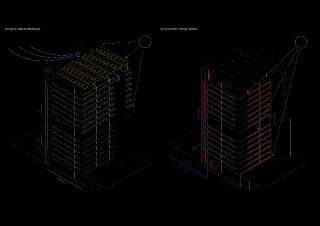
The central challenge of the conversion was the building depth of 24 m, which is typically unsuitable for residential use due to insufficient daylight penetration. A key design principle was therefore to enable housing while preserving the building's inherent flexibility. Interventions such as cutting large atria or voids into the slabs were deliberately avoided to maintain the possibility of future uses requiring large contiguous floor areas. To bring daylight deep into the plan, the proposal introduces a layered reflection system. Large mirrors mounted on the façade capture incoming sunlight and redirect it toward a glass-block wall, where the light is diffused. Inside the apartments, highly reflective aluminium ceiling panels and a polished screed surface further distribute the light across the depth of the space.
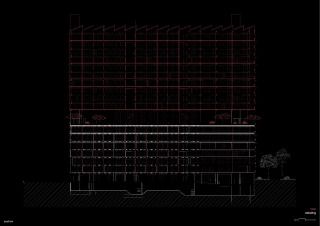
A further challenge was the energetic refurbishment of the envelope. This is addressed by introducing a continuous buffer zone in the form of an external access gallery, effectively creating a second thermal layer. The new façade system improves insulation while allowing the historic structure to remain largely untouched. The existing industrial screed, which contains asbestos, is encapsulated with a thin new sealing layer of polished screed. The original windows are in poor condition and unsuitable for residential standards. Their characteristic fibrous glazing diffuses light strongly and prevents visual clarity, making replacement with a new glazing system necessary.
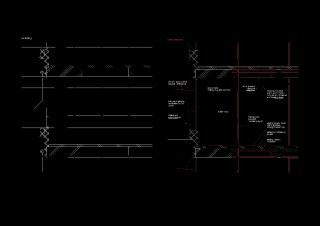
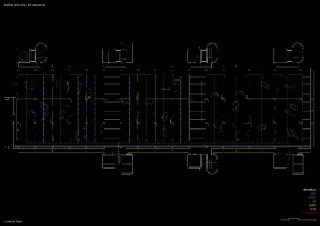
All building services are distributed from the vertical circulation cores, which house generous service shafts. From there, the installations run as bundled packages into each structural bay, with each package comprising an electrical cable tray, supply and return water lines, and the flow and return pipes of the central heating system.
Beschreibung der Besonderheiten
Nachhaltigkeit
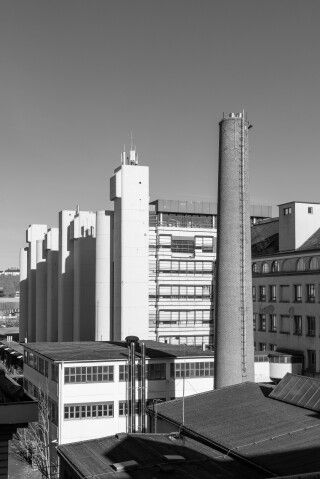
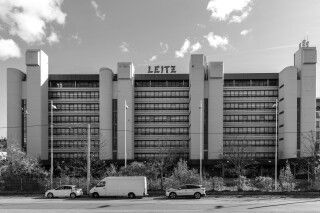
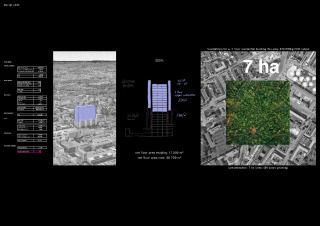
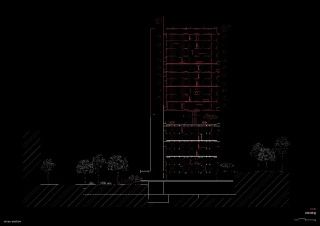
Beyond energy systems, the building's greatest potential lies in its structural capacity. Designed for industrial loads of approximately 20 kN/m² per floor, the conversion to housing requires less than 5 kN/m², freeing substantial reserve capacity. This allows an 11-storey timber vertical extension, increasing the overall height to 18 storeys and enabling accommodation for roughly 800 residents. Reusing the existing structure avoids the need for new foundations, which for a comparable new building would generate around 576,000 kg of CO₂ — an amount that would require approximately 7 hectares of forest growing for 80 years to offset.
Schlagworte
Objekte in der Umgebung
Ähnliche Objekte
- Wohnquartier Hallschlag
- Mehrgenerationenhaus Am Römerkastell in Stuttgart Bad-Cannstatt
- Umhüllt
- Stöckach Reloaded
- Meine Stadt, Mein Zuhause - Prototyp mit dem Blick vom Öffentlichen ins Private
- S43 - Sanierung zum Wohn- und Geschäftshaus
- Wasseranziehend werden. Vorschlag für ein hygroskopisches Design.
